Why Was This Paver Machine Covered in Grease
Heavy machinery shipped overseas by sea is routinely coated in a thick layer of protective grease before the voyage. It's standard practice, the coating shields exposed metal and components from corrosion caused by salt air and humidity over weeks at sea. It does its job well, but it leaves the equipment caked in grime from top to bottom, and that coating has to come off completely before the machine can be inspected, operated, or handed over.
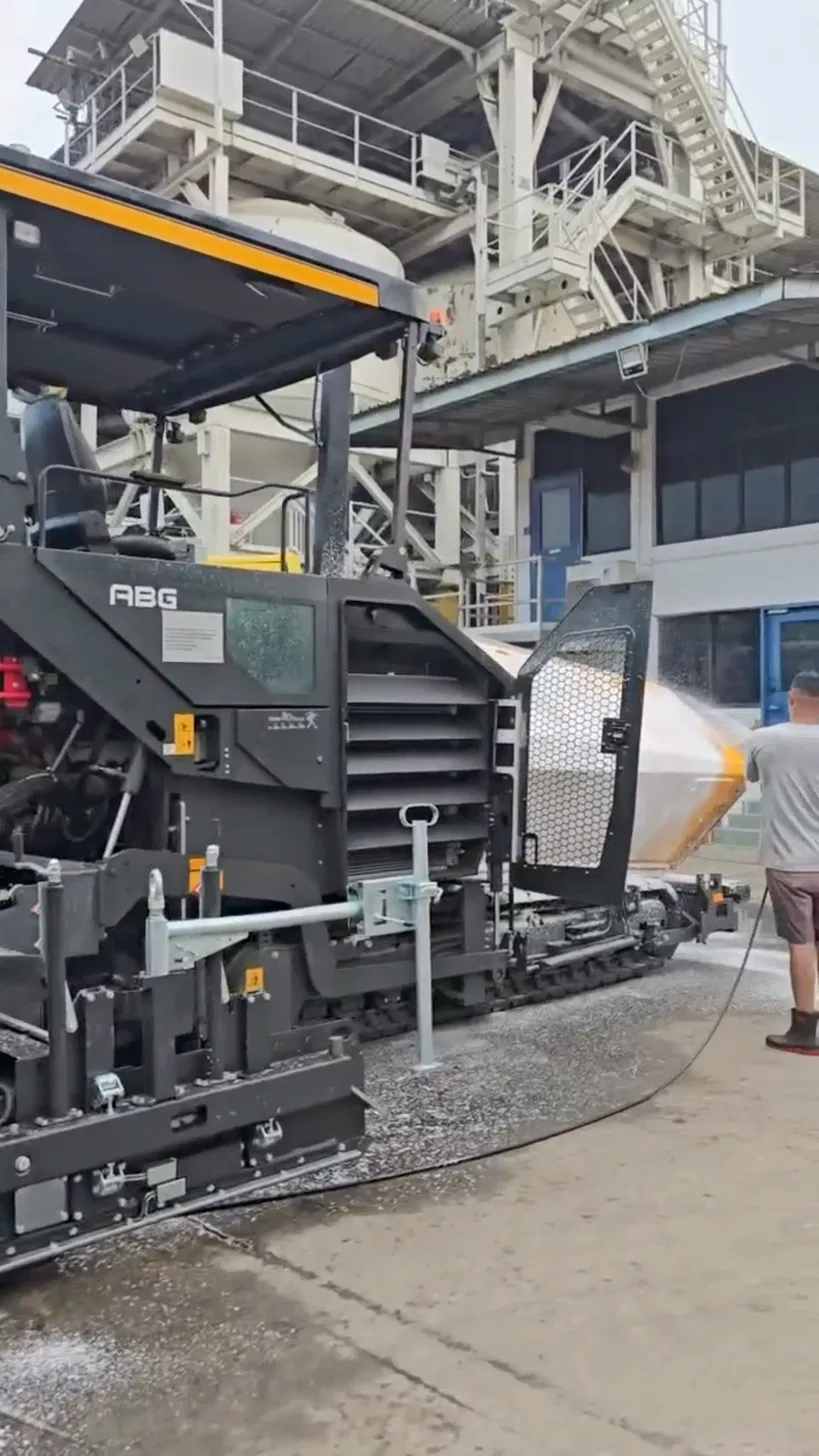
That's the condition this paver arrived in: fully coated in shipping grease after its voyage into Singapore. The construction company that imported it needed it spotless before handing it over to their client, and that's when they called ZAPCLEAN.
How We Degreased It Without Damaging the Machine
Before touching a single panel, we covered and protected the machine's critical electrical components. Exposing sensitive electronics to chemical degreaser or pressurised water is one of the fastest ways to turn a cleaning job into an expensive mistake, so this step happens before anything else.
From there, the process was straightforward;
- We applied a degreasing solution across the affected surfaces and let it dwell, breaking the grease down chemically rather than trying to blast it off with force alone.
- We agitated the treated areas to help the degreaser cut through the thickest buildup.
- We rinsed the machine thoroughly with a pressure washer, keeping the pressure strong enough to clear the grease but controlled enough not to damage the paintwork.
Beyond Shipping Grease: Why Machinery Needs Degreasing
This job happened to involve shipping related grease, but that's just one of several ways heavy equipment ends up needing a proper degrease:
- Operational buildup — engine oil, hydraulic fluid, and grease from moving parts mix with road grime and dust over months of active use.
- Storage and yard conditions — equipment sitting in a yard or warehouse for extended periods collects a film of oil residue, dust, and general grime.
- Import and shipping coatings — as with this paver, protective grease applied before a sea voyage needs to be fully removed before the equipment goes into service.
When Businesses Need Machinery Degreasing
Machinery degreasing isn't a one-off service for special occasions — it comes up at several points in a piece of equipment's working life:
- Before handover or delivery — as in this case, equipment needs to look and perform as expected when it changes hands, whether that's contractor to client, dealer to buyer, or importer to end user.
- Before inspections — safety inspections, insurance assessments, and warranty checks are all more accurate on clean equipment. A thick layer of grease can hide leaks, cracks, or early corrosion that an inspector needs to see.
- Fleet upkeep — construction, logistics, and equipment rental companies running multiple machines benefit from scheduled degreasing as part of routine maintenance, catching leaks early and keeping equipment presentable.
- Before resale or end of lease — clean, well-maintained-looking equipment is easier to sell, easier to hand back without dispute, and easier for a buyer to properly assess.
- After import or customs clearance — equipment brought in from overseas often arrives coated in the same kind of protective grease as this paver, and needs it removed before it can be put to work.
Frequently Asked Questions
Does pressure washing damage machinery paint or components?
It can, if it's done carelessly. The risk isn't the pressure washer itself, it's using too much pressure, holding the nozzle too close, or spraying directly into electrical housings and seals. Professional machinery degreasing protects sensitive components first and calibrates pressure to the surface, so paint and parts aren't damaged in the process.
What's used to remove shipping or rust preventative grease from machinery?
A dedicated degreasing solution applied to the affected surfaces, left to dwell and break the grease down chemically, then agitated and rinsed off rather than relying on pressure alone to blast it away.
How often should machinery be degreased?
It depends on usage. Actively used equipment generally benefits from degreasing every few months as part of routine maintenance, while equipment that's been in storage, freshly imported, or about to change hands should be degreased just before that handover, inspection, or return to service.
Does ZapClean offer machinery degreasing for construction and logistics companies in Singapore?
Yes, we work with construction companies, fleet operators, and equipment importers across Singapore, from one-off handover jobs to scheduled fleet upkeep.
Get Your Equipment Handover-Ready
If you've got equipment that needs to be handover-ready, inspection-ready, or just properly maintained, message us on WhatsApp and we'll walk you through what's involved for your machinery.